
Nov02

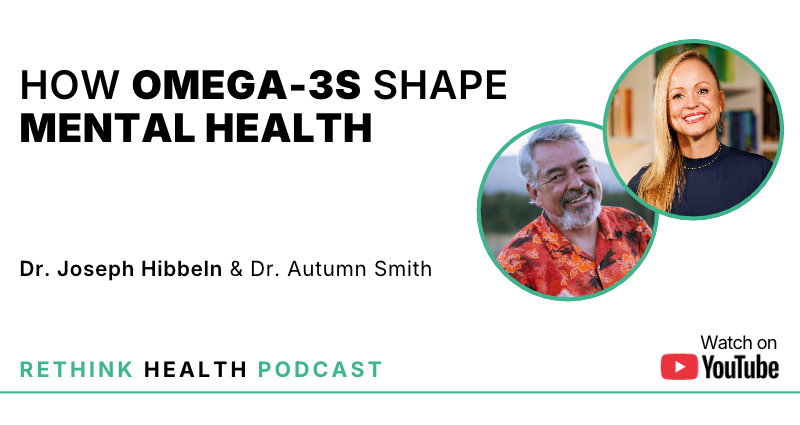
How Omega-3s Shape Mental Health with Dr. Joseph Hibbeln
What if rising rates of depression, anxiety, and aggression are connected to what’s missing from our plates?
In this episode of the ReThink Health Podcast, I sit down with Dr. Joseph Hibbeln, a psychiatrist, distinguished visiting professor at the University of Bristol, and one of the world’s leading experts on omega-3s and the brain. He has spent 40 years studying how the fats we eat shape our moods, behavior, and relationships.
This conversation means a lot to me. About 13 years ago, I was struggling with depression, anxiety, and substance use. I changed my diet for digestive reasons, and over the next year my mental health transformed so dramatically that I went back to school to understand why. I also lost an aunt who lived with bipolar disorder, and I often wish I’d known then what I know now.
Dr. Hibbeln’s path was personal too. Growing up with a brother who struggled with severe mental illness led him into a career searching for answers.
In our conversation, he makes a powerful case that the changes to our food supply over the past century aren’t just a physical health problem. He believes they affect how we think, feel, and treat one another, and that restoring the brain’s critical nutrients could benefit families, communities, and society as a whole.
You’ll learn:
- How many people may be falling short on omega-3s, and why the amount you need depends on how much omega-6 you eat
- What happened to homicide rates across countries as diets changed, and what clinical trials show about omega-3s and aggression
- The staggering economic cost of violence and repeat offenses, and how much better nutrition might save
- The difference between EPA and DHA, and why your brain depends on both
- The omega-3-rich chicken developed for the U.S. military, and how it could change school and prison meals
- Why Dr. Hibbeln believes fear of mercury in fish may be doing more harm than good for babies’ brains
- Which type of omega-3 supplement the research supports most for mood
- How giving omega-3s to kids reduced their aggression and, surprisingly, changed their parents’ behavior too
If you or someone you love has struggled with mental health, this episode offers hopeful insights and important questions to ask both yourself and your doctor.
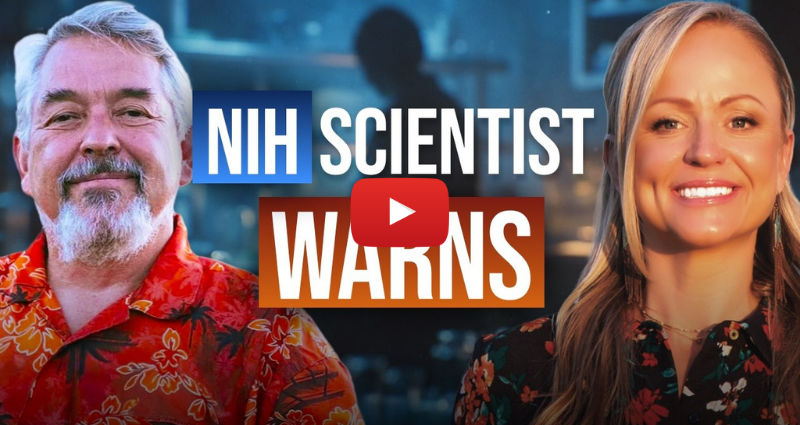
Watch the full conversation on YouTube.
Prefer audio? Listen below or on Spotify & Apple iTunes Podcasts.
Helpful Resources
Paleovalley Omega-3 Complex
>>> Feed your brain the omega-3s it’s built from, to support mood, focus, and healthy brain function. Save up to 20% on Paleovalley Omega-3 Complex.
About Dr. Joseph Hibbeln
Dr. Joseph Hibbeln is a psychiatrist and a distinguished visiting professor at the University of Bristol. For roughly 40 years, his research has explored how omega-3 and omega-6 fats affect the brain, mood, and behavior. He began studying fatty acids as an MD-PhD student and later worked at the National Institute on Alcohol Abuse and Alcoholism, where his early research looked at how alcohol depletes omega-3s from the brain.
His work spans depression, bipolar disorder, aggression, suicide, addiction, and child development. It includes large population studies, animal research, and randomized trials. He has collaborated with the U.S. military to improve the omega-3 content of service members’ diets and has advised U.S. policymakers on the connection between food and mental health. Today, he is focused on turning decades of research into action, with a mission to get more brain-critical nutrients into people’s diets.
Thanks so much for spending time with us this week! Have a question or feedback? Email us at [email protected]—we would genuinely love to hear from you.
You can also follow the ReThink Health Podcast on Spotify or iTunes so new episodes are easy to find and listen to whenever it works for you. Subscribing and following makes a real difference and helps this information reach more people. Thanks again for being here. We will see you next time!